
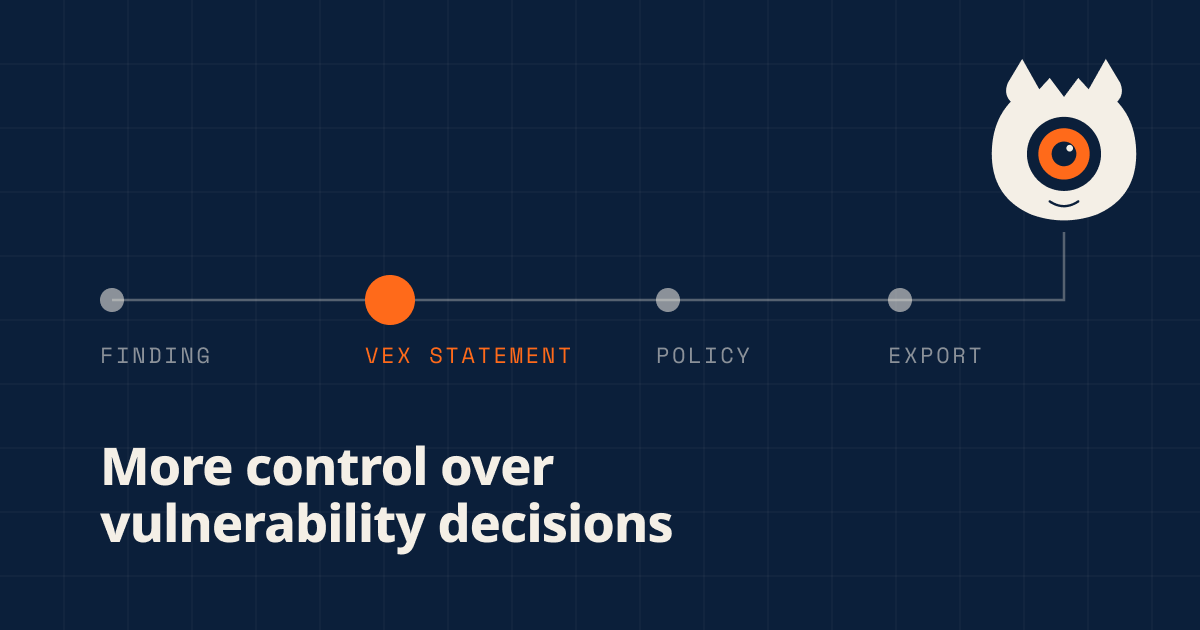
More control over vulnerability decisions with Earnie
Earnie adds VEX statements, policy dry runs, compliance packages and AI-assisted snippet review to support vulnerability and compliance decisions.
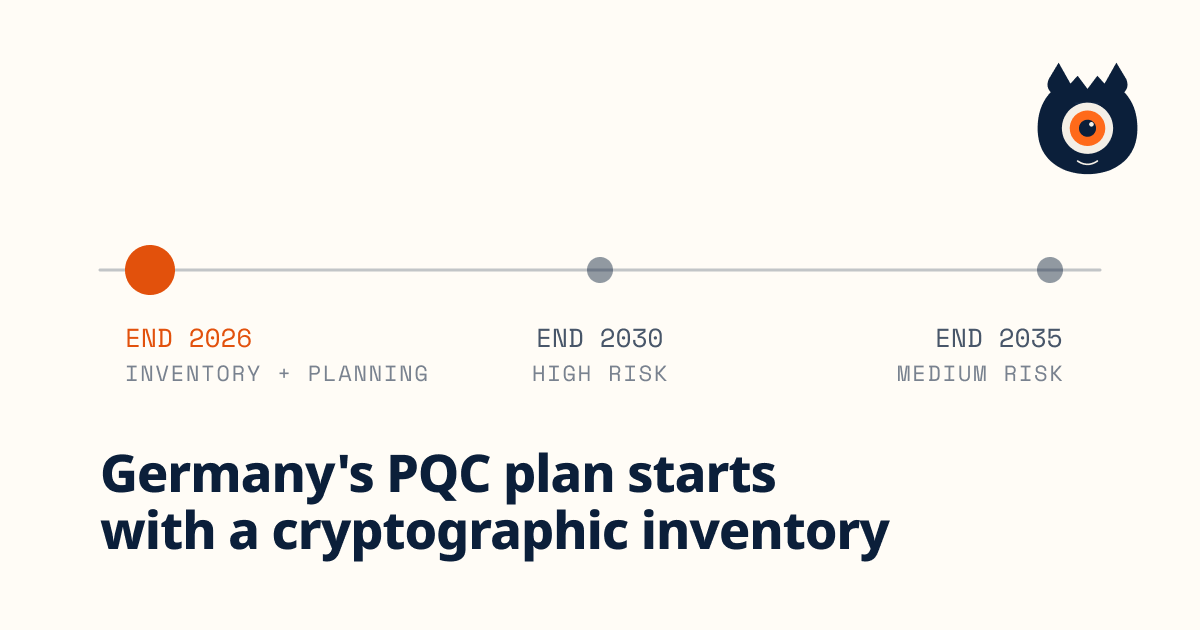
Germany's PQC plan starts with a cryptographic inventory
Germany's national PQC guideline asks every organisation for a first cryptographic inventory by the end of 2026, checked regularly after that.
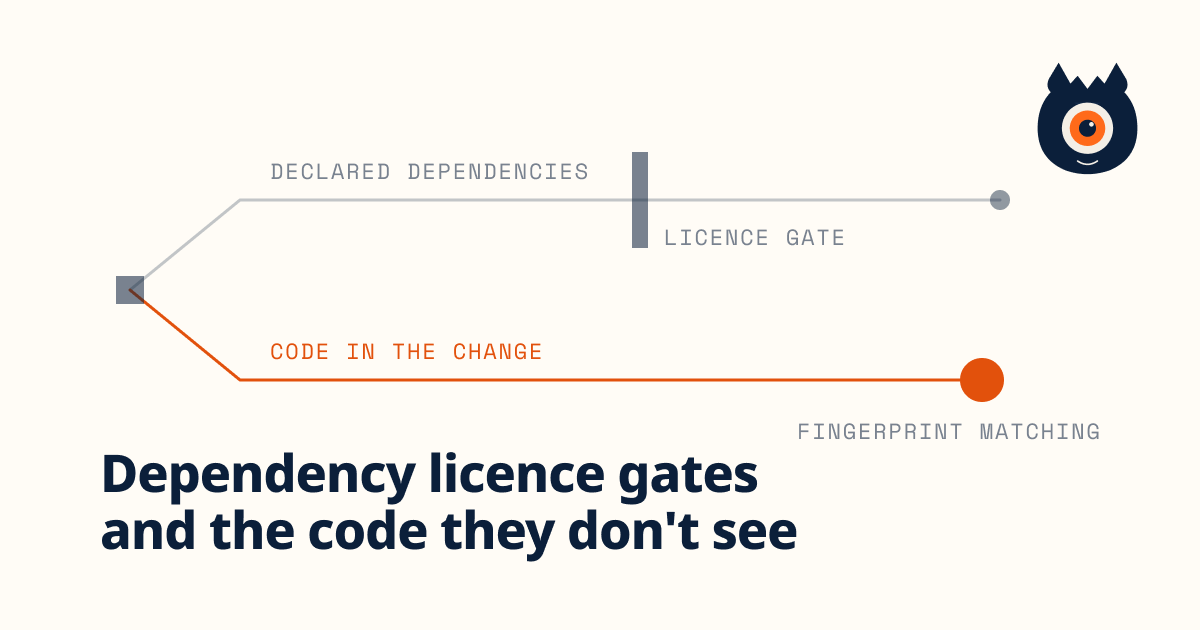
Dependency licence gates and the code they don't see
Dependency licence checks are now a default in pull requests. Pasted and AI-generated snippets carry licence obligations that those checks never see.
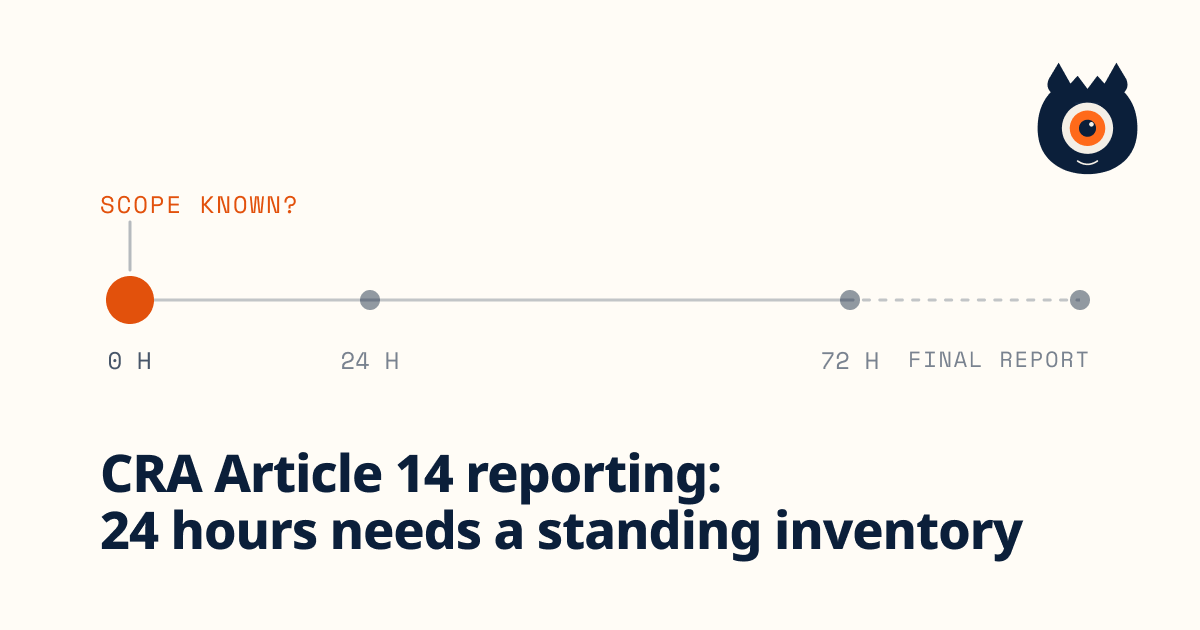
CRA reporting: why 24 hours needs a standing inventory
CRA reporting gives manufacturers 24 hours to send an early warning. That only works if the answer to "which releases are affected?" already exists today.
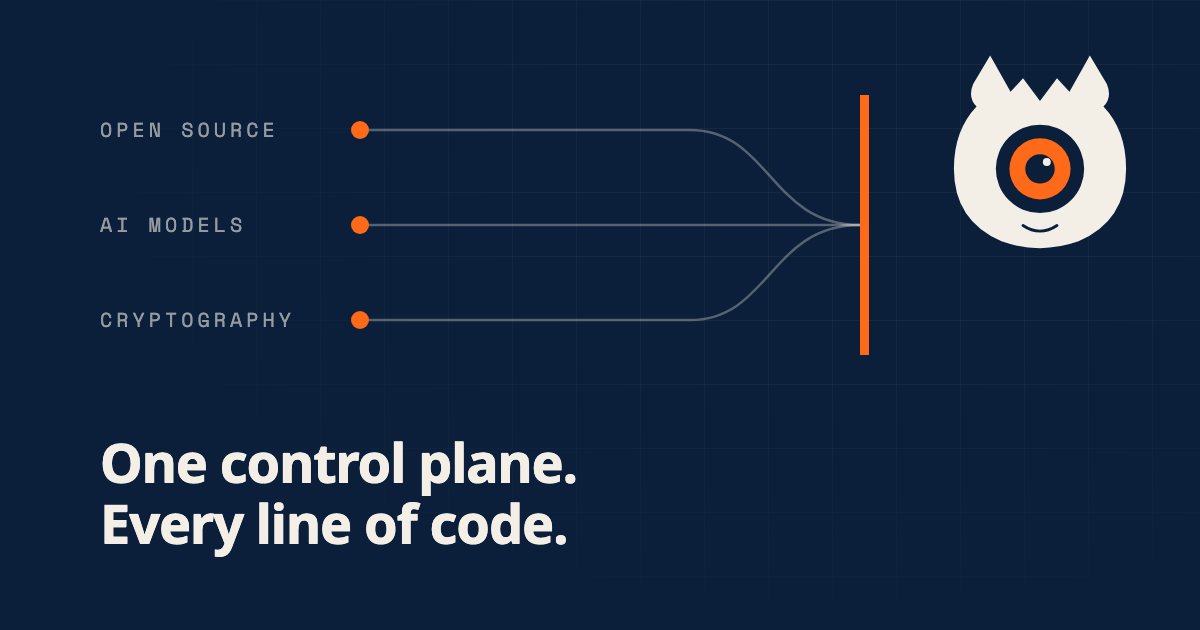
New release: Earnie
Policy, detection and evidence for open source, AI provenance and cryptography, enforced wherever code changes.
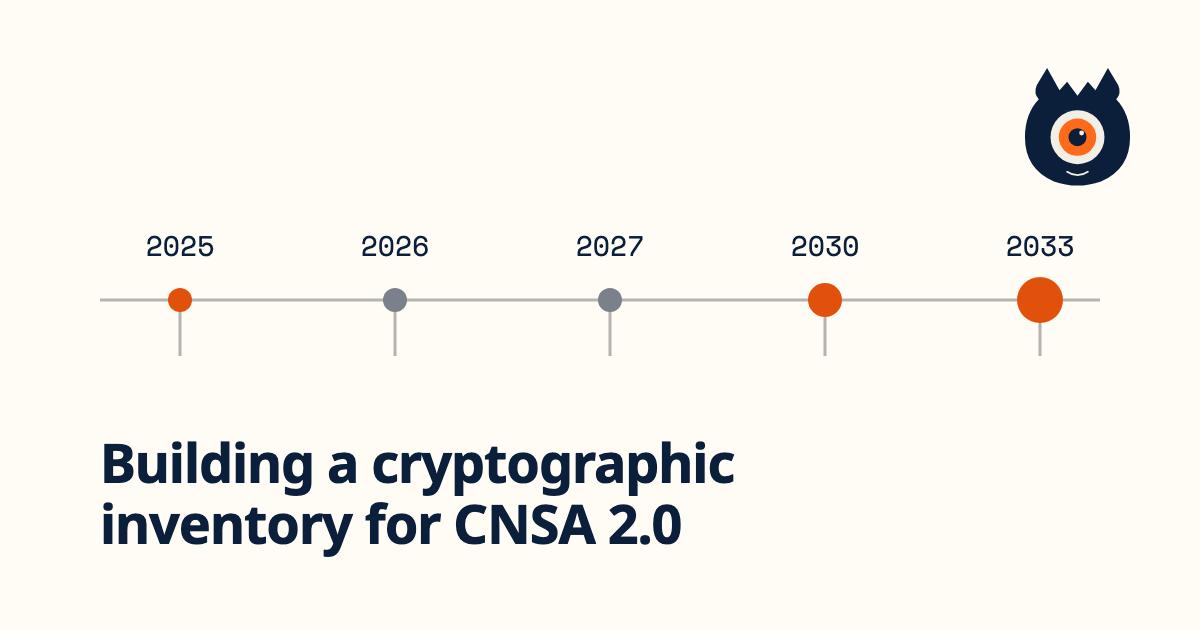
How to build a cryptographic inventory for CNSA 2.0
CNSA 2.0 sets firm deadlines for quantum-resistant cryptography. Here's what the inventory behind compliance actually has to look like.
A new standard for AI transparency: AIBOM
AI systems need their own bill of materials. Here's why AIBOM is becoming that standard.
What is a CBOM (Cryptography Bill of Materials)?
A cryptographic inventory only works if it's structured. Here's what a CBOM actually contains.